CONTINUOUS PROCESS OF LIFE
ALM No.89, May 2026
ESSAYS
The universe itself can be described as an ongoing cycle in which energy condenses into matter and matter, under certain conditions, releases energy. These transformations are perpetual and universal, occurring at every scale—from stars and galaxies to biological organisms. Human life is one localized expression of this broader natural process.
At conception, matter and energy originating from a man and a woman combine to initiate a new, self-organizing biological system. This system immediately begins the continuous process that defines life: matter is converted into usable energy, and that energy is then used to create and organize new matter in the form of cells, tissues, and structures. During pregnancy, the woman supplies matter in the form of food, which her body converts into energy. That energy, in turn, supports the formation and growth of the fetus. Prenatal development is therefore not a distinct or mystical event, but the early stage of the same life process that continues after birth.
If development proceeds without interruption, birth marks not the beginning of life but a change in how the process is sustained. After birth, the growing human organism becomes directly responsible for converting matter into energy and energy into matter to maintain and expand its own biological structure. The underlying process remains unchanged; only the source and regulation of inputs differ.
From a scientific standpoint, the intentional termination of this process—whether before or after birth—is the truncation of a continuous biological system. Abortion and murder both involve the deliberate interruption of life’s matter–energy transformations. The scientific distinction between them lies only in when the interruption occurs, not in the nature of the process being interrupted. Other distinctions—moral, legal, religious, or cultural—are not derived from natural science. Questions about when a soul enters the body or when life becomes “human” in a moral sense are speculative and philosophical, not empirical, and therefore fall outside the scope of scientific inquiry.
Death represents the final cessation of this process. It occurs when the conversion of matter into energy becomes insufficient to sustain the organized structure of the living system. At that point, the biological “processor” fails: organization collapses, metabolism stops, and life ends. Matter remains, but the dynamic process that defined the living organism does not. Any claim about what happens beyond this point—whether consciousness continues or existence persists in another form—cannot be confirmed or denied by science and therefore remains speculative.
This distinction highlights the broader difference between natural science and social or cultural science. Natural science studies nature as it is—objective, observable, and governed by physical laws. Social science studies culture, which is human-created, subjective, and variable. Culture exists within nature and is constrained by it, making social science less independent than natural science. Cultural systems may accept, reject, reinterpret, or add meaning to natural processes in order to organize societies, ensure survival, or promote growth, but they do not alter the underlying physical reality.
Viewed through this lens, life is neither mysterious nor arbitrary. It is a continuous, natural process governed by the same principles that govern the rest of the universe—a dynamic flow of matter and energy that begins, changes form, and eventually ends. Understanding life in these terms does not answer every moral or existential question, but it does clarify where science ends and where culture, philosophy, and belief begin.
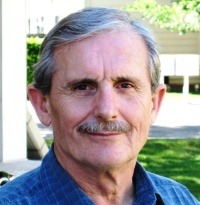
Frank Zahn is an author of fiction, nonfiction, and poetry. His publications include nonfiction books, articles, commentaries, book reviews, and essays; novels; short stories; and poetry. Currently, he writes and enjoys life at his home among the evergreens in Vancouver, Washington, USA. For details, visit his website, www.frankzahn.com.
Subscribe to FREE digital flip copy of the Adelaide Magazine printed edition.